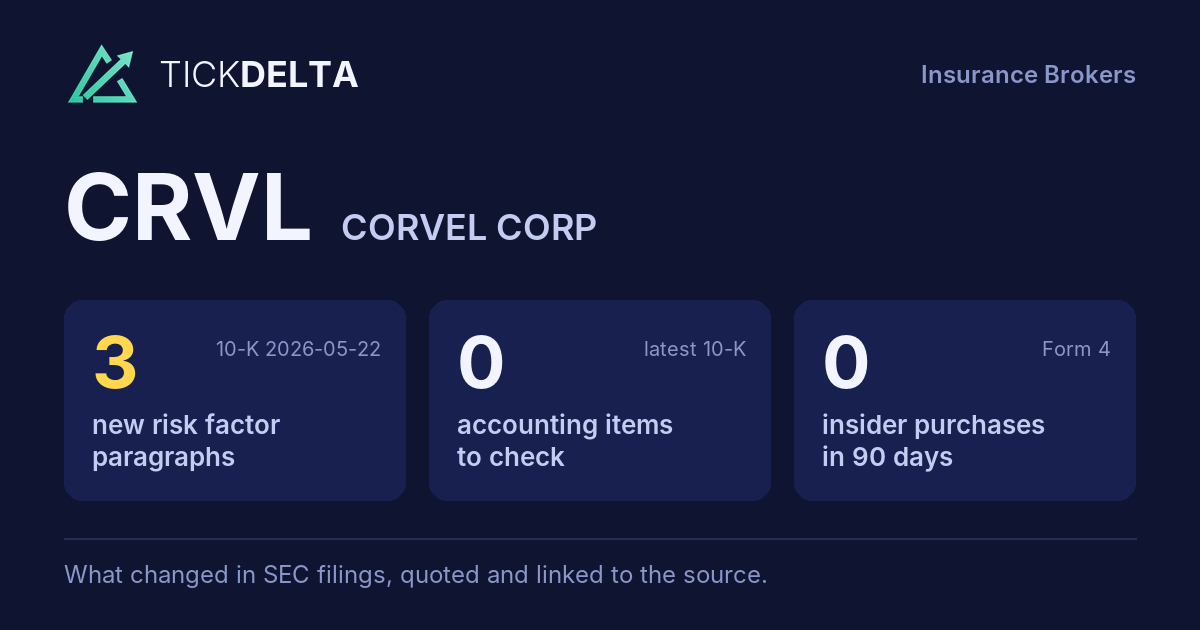
Cybersecurity breaches of any of incidents affecting the systems on which we rely may result from circumvention of security systems, measures, denial-of-service attacks or other cyber-attacks, hacking, “phishing” attacks, computer viruses, ransomware, malware, employee or insider error, malfeasance, social engineering, physical breaches or other actions. According to media reports, the frequency, intensity, and sophistication of cyber-attacks, ransomware attacks, and other data security incidents generally has significantly increased around the globe worldwide in recent years. years, including as a result of the increasing sophistication in the development and use of artificial intelligence tools. As with many other businesses, we have experienced, and are continually at risk of being subject to, attacks and incidents, including that result in cybersecurity breaches such as incidents caused by computer viruses, unauthorized parties gaining access to our information technology systems systems, and other similar incidents. Cybersecurity breaches threats. In some cases, cybersecurity incidents could cause us, and in some cases, materially, to experience reputational harm, loss of customers, loss and/or delay of revenue, loss of proprietary data, loss of licenses, regulatory actions and scrutiny, sanctions or other statutory penalties, litigation, liability for failure to safeguard customers’ information, financial losses losses, or a drop in our stock price. If we acquire any businesses, the process of integrating the information systems of the businesses we acquire is complex and exposes us to additional risks as we might not adequately identify weaknesses in the acquired company’s information systems, which could expose us to unexpected liabilities or make our own systems more vulnerable to attack. We have invested in and continue to expend significant resources on information technology and data information security tools, measures, processes, initiatives, policies and employee training designed to protect our information technology systems, as well as the personal, confidential or sensitive information stored on or transmitted through those systems, and to ensure an effective response to any cyber-attack or data security incident. incident, however, such measures cannot provide absolute security and may fail to operate as intended or be circumvented. These expenditures could also have an adverse impact on our financial condition and results of operations, and divert management’s attention from pursuing our strategic objectives. In addition, the cost and operational consequences of implementing, maintaining and enhancing further system protective measures could increase significantly as cybersecurity threats increase, and there can be no assurance that the security measures we employ will effectively prevent cybersecurity breaches or otherwise prevent unauthorized persons from obtaining access to our systems and information.
As these threats evolve, cybersecurity incidents could be more difficult to detect, defend against, prevent, and remediate. Cyber-attacks Cybersecurity-attacks or data handling incidents could remain undetected for some period, period of time, which could potentially not only result in significant harm to our systems, as well as but also lead to unauthorized access to the information stored on and transmitted by our systems. Further, despite our security efforts and training, our employees may purposefully or inadvertently cause security breaches that could harm our systems or result in the unauthorized disclosure cybersecurity incidents. Any occurrence of or access to information. Any measures we do take to prevent security breaches, cybersecurity incidents, whether caused by employees or third parties, could have the potential to harm adversely impact our relationships with our customers or restrict our ability to meet our customers’ expectations.
Many states, including a number of those in which we transact business, have licensing and other regulatory requirements applicable to our business. Approximately half of the states have enacted laws that require licensing of businesses which provide medical review services such as ours. Some of these laws apply to medical review of care covered by workers’ compensation. These laws typically establish minimum standards for qualifications of personnel, confidentiality, internal quality control, and dispute resolution procedures. These regulatory programs may result in increased costs of operation for us, which may have an adverse impact upon our ability to compete with other available alternatives for healthcare cost control. In addition, new laws regulating the operation of managed care provider networks have been adopted by a number of states. These laws may apply to managed care provider networks we have contracts with or to provider networks which we may organize. To the extent we are governed by these regulations, we may be subject to additional licensing requirements, financial and operational oversight and procedural standards for beneficiaries and providers.
We rely largely on our own industry standard security systems, confidentiality procedures, and employee nondisclosure agreements to maintain the privacy and security of our and our customers’ proprietary information. Accidental Intentional or willful security breaches or other unintentional incidents, like unauthorized access by third parties to our information systems, the existence infection of computer viruses in our data systems or software, software with malware, and misappropriation of our proprietary information could expose us to a risk of information loss, litigation, and other possible liabilities which may have a material adverse effect on our business, financial condition, and results of operations. If security measures are breached cybersecurity incidents occur because of third-party action, actions, employee error, errors, malfeasance, or otherwise, or if design flaws in our software are exposed and exploited, and, as a result, a third party obtains unauthorized access to any customer data, our relationships with our customers and our reputation will could be significantly damaged, our business may suffer, and we could incur significant liability. Cybersecurity threats are rapidly evolving and those threats and the means for obtaining access to our systems are becoming increasingly sophisticated. Because techniques used to obtain unauthorized access or to sabotage systems change frequently and generally are not recognized until launched against a target, we may be unable to anticipate these techniques or to implement adequate preventative measures. The rapid evolution and growing adoption of
In addition, we expect that a considerable amount of our future growth will depend on our ability to process and manage claims data more efficiently and to provide more meaningful healthcare information to customers and payors of healthcare. There can be no assurance that our current data processing capabilities will be adequate for our future growth, that we will be able to efficiently upgrade our systems to meet future demands, or that we will be able to develop, license or otherwise acquire software to address these market demands as well or as timely as our competitors.
There has also been increased regulatory scrutiny of the use of “big data” techniques, machine learning, and artificial intelligence. It is likely that we will be subject to new regulations that could materially adversely affect our operations or ability to write business profitably in one or more jurisdictions. The legal and regulatory framework governing artificial intelligence is evolving rapidly and remains highly uncertain. Federal and state agencies are actively proposing or implementing new regulations and guidelines targeting artificial intelligence. With many of these artificial intelligence regulations still in the early stages of development, it is difficult to predict the impact they will have on our business. These regulations may require changes to our implementation of artificial intelligence technology, increase compliance costs, or increase the risk of non-compliance. Any failure to comply with applicable laws or regulations related to artificial intelligence could expose us to investigations, enforcement actions, lawsuits, fines, or other penalties, which could have a material adverse effect on our business, results of operation and financial condition. In addition, regulators have recently requested information from insurers on their use of algorithms, artificial intelligence and machine learning. We have internal policies governing the use of artificial intelligence by our employees designed to protect us the Company from breaches of data privacy, liability and regulatory enforcement risk; however, if our employees violate these policies, it could expose us to such risks. Our exposure to these risks also could increase if our vendors, suppliers, or other third-party providers employ artificial intelligence in relation to the products or services they provide to us, as we have limited control over such use in third-party products or services. These risks include, among others, the input of confidential information, including material non-public information, in contravention of our policies or contractual restrictions to which any of the foregoing are subject, or in violation of applicable laws or regulations, including those relating to data protection. We cannot predict what, if any, regulatory actions may be taken with regard to “big data,” but any limitations could have a material impact on our business, business processes, financial condition, and results of operations.
Our future success depends, in part, on our ability to anticipate and respond effectively to the threat risk of, and conversely, the opportunity presented by digital disruption, “big data” and data analytics, and other developments in technology. These may include new applications or insurance-related services based on artificial intelligence, machine learning, robotics, blockchain, the metaverse or new approaches to data mining that impact the nature of how we generate revenue. We may be exposed to competitive risks related to the adoption and application of new technologies by established market participants or new entrants such as technology companies, start-up companies and others. These new entrants are focused on using technology and innovation, including artificial intelligence and blockchain, in an attempt to simplify and improve the client experience, increase efficiencies, alter business models and effect other potentially disruptive changes in the industries in which we operate. We must also develop and implement technology solutions and technical expertise among our employees that anticipate and keep pace with rapid and continuing changes in technology, industry standards, client preferences and internal control standards. We may not be successful in anticipating or responding to these developments on a timely and cost-effective basis and our ideas may not be accepted in the marketplace. Data produced by or contained in technology that uses artificial intelligence may contain a degree of inaccuracy and error. Additionally, the effort to gain technological expertise, make use of data analytics, and develop new technologies in our business requires us to incur significant expenses. Investments in technology systems and data analytics capabilities may not deliver the benefits or perform as expected, or may be replaced or become obsolete more quickly than expected, which could result in operational difficulties or additional costs. If we or our third-party vendors fail to effectively implement these new technologies, including, artificial intelligence, we could be subject to additional risks that we do not understand or cannot adequately mitigate, which could have a material adverse effect on our results of operations and financial condition. Further, if we cannot offer new technologies or data analytics solutions as quickly as our competitors, or if our competitors develop more cost-effective technologies, data analytics solutions or other product offerings, we could experience a material adverse effect on our operating results, client relationships, growth and compliance programs.